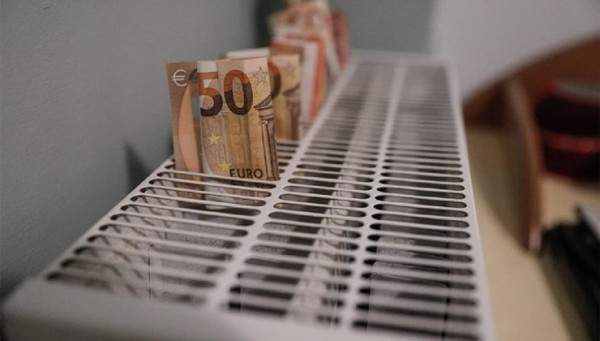


Figures published by the Hellenic Statistical Authority show that a child adds nearly €12,000 a year to the average household budget. A couple without children typically spends about €1,546 a month, but that figure jumps to more than €2,500 when a child under the age of 16 is part of the family. Over the course of 18 years, the additional expense comes to roughly €215,000 at today’s prices.
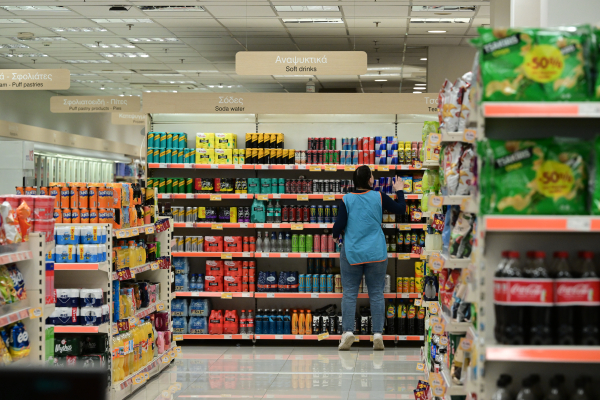
The cost of raising children in Greece is spread across food, housing, transport, dining out, health, clothing, education, and leisure. Food alone accounts for more than 17 percent of the household budget, while housing and transport each take around 13 percent. Education and health services also make up a significant share, underlining how the financial pressure goes well beyond the weekly supermarket bill.
The burden is not distributed evenly. Households headed by people in their mid-thirties to mid-forties—the age group most likely to be raising children—spend well above the national average. Families in urban areas face significantly higher costs than those in rural communities.
The findings illustrate why so many couples in Greece are reluctant to have children, or choose to stop at one. The high cost of parenthood, coupled with economic uncertainty, has become a key factor behind the country’s dramatic fall in births, making the question of affordability central to Greece’s demographic future.